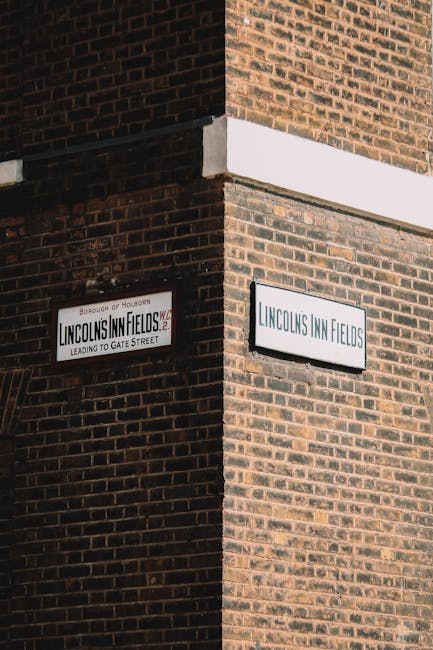
Lincolns Inn Fields bulky rubbish pickup Holborn
If you are trying to arrange Lincolns Inn Fields bulky rubbish pickup Holborn, you are probably dealing with the kind of job that looks simple from a distance and turns awkward once you start moving things. A broken wardrobe, a sagging sofa, a stack of bags, maybe an old fridge tucked in a hallway that already feels too narrow. In central London, those details matter. Access matters. Timing matters. And to be fair, so does getting rid of the waste properly.
This guide explains how bulky rubbish pickup works in the Lincoln's Inn Fields and Holborn area, what counts as bulky waste, how to plan a collection without stress, and how to avoid the common mistakes that cost people time and money. If you want the practical version rather than the sales pitch, you are in the right place.
One quick note: bulky rubbish is not just "stuff you no longer want." It often includes items that are heavy, awkward, or hard to move safely. That changes the whole job.
Table of Contents
- Why Lincolns Inn Fields bulky rubbish pickup Holborn Matters
- How Lincolns Inn Fields bulky rubbish pickup Holborn Works
- Key Benefits and Practical Advantages
- Who This Is For and When It Makes Sense
- Step-by-Step Guidance
- Expert Tips for Better Results
- Common Mistakes to Avoid
- Tools, Resources and Recommendations
- Law, Compliance, Standards, or Best Practice
- Options, Methods, or Comparison Table
- Case Study or Real-World Example
- Practical Checklist
- Conclusion
- Frequently Asked Questions
Why Lincolns Inn Fields bulky rubbish pickup Holborn Matters
Lincoln's Inn Fields sits in a part of London where access is often tighter than people expect. That can make bulky waste clearance very different from a standard suburban collection. Streets can be busy, loading space can be limited, and many properties sit in buildings where the lift is small, the stairwell is awkward, or the item simply will not fit on a regular journey out the door.
When bulky waste is left to build up, it quickly becomes more than an eyesore. It can block hallways, attract complaints from neighbours, create trip hazards, and make a property harder to use. In a shared building, it can also affect everyone else, which is usually when the issue suddenly becomes urgent. Funny how that works, isn't it?
There is also a practical sustainability angle. A well-run bulky waste pickup should separate reusable, recyclable, and disposal-only materials where possible. That matters because furniture, appliances, and mixed household items do not all belong in the same stream. A responsible waste removal service should understand that distinction and handle items accordingly.
For landlords, letting agents, homeowners, and businesses around Holborn, this is often about restoring order quickly without creating a second problem. The goal is not just to get the clutter gone. It is to do it cleanly, safely, and in a way that respects the property and the people using it.
How Lincolns Inn Fields bulky rubbish pickup Holborn Works
Most bulky rubbish pickup jobs follow a simple pattern, although the detail changes depending on the items, the access, and how much needs taking away. The process usually starts with a description of the waste: what it is, roughly how much there is, where it is located, and whether anything needs special handling.
After that, the collection is planned around access. In central London, this might mean checking whether the items are on a basement level, a top floor, or behind a tight stairwell. If the job involves furniture, white goods, or mixed household waste, it helps to know whether dismantling is needed before collection. Sometimes the difference between an easy pickup and a frustrating one is a screwdriver and ten patient minutes.
For items such as sofas, wardrobes, beds, mattresses, appliances, and office furniture, many people choose a service that can remove items from inside the property rather than leaving everything by the kerb. That saves a lot of lifting, and it is especially useful in blocks of flats or commercial buildings where moving items through shared areas would be a headache.
If you are clearing out several categories at once, it can make sense to combine services. For example, a flat clearance may overlap with flat clearance, furniture disposal, or even fridge and appliance removal. The cleaner the brief, the smoother the collection tends to be.
Here is the plain-English version: you explain what needs removing, the team plans the vehicle, labour, and timing, then the items are collected and taken for sorting, reuse, recycling, or disposal. No drama. Ideally.
Key Benefits and Practical Advantages
A professional bulky rubbish pickup is not just about convenience, although that is a big part of it. The real value is in removing hassle from a job that often becomes harder the longer you leave it.
- Less physical strain: Large items are awkward, and even one heavy wardrobe can be risky if you try to shift it alone.
- Faster turnaround: A planned pickup usually gets the space back quicker than doing several DIY trips.
- Better handling of mixed waste: Furniture, appliances, bags, cardboard, and household junk can all be dealt with in one go.
- Cleaner shared spaces: In flats and converted buildings, removing items promptly keeps hallways and entrances clear.
- More suitable for central London access: A pickup service can be far more practical than arranging transport yourself.
- Improved sorting and recycling: A good operator will separate materials where possible instead of treating everything as one anonymous pile.
There is also a quiet benefit people often miss: peace of mind. Once the pile is gone, the room feels different. Lighter. You notice the floor again. You can plan the next step instead of stepping around the old one.
For businesses, the advantages can be even more immediate. A cluttered stockroom, storage area, or office corner can slow people down every single day. Clearing it properly helps operations run better, and that is a bit less glamorous than a fresh spreadsheet, but probably more useful.
Who This Is For and When It Makes Sense
Bulky rubbish pickup in Lincoln's Inn Fields and Holborn is relevant to a fairly broad mix of people. The common thread is simple: you have items that are too big, too heavy, or too inconvenient to deal with in the usual way.
This often includes:
- tenants moving out of flats or studio apartments
- landlords dealing with end-of-tenancy leftovers
- letting agents preparing a property for re-letting
- homeowners clearing a room, cellar, loft, or hallway
- offices replacing desks, chairs, and storage units
- shops and small businesses removing unwanted stock or fixtures
- people who have inherited furniture or contents that need sorting
It also makes sense when items are technically movable, but only just. You know the sort of thing: the sofa that will scrape the wall, the mattress that will not turn the corner, the filing cabinet that feels twice its actual weight once you've lifted it three inches. That is usually the point where a planned pickup pays for itself in saved time and fewer bruises.
If the waste is tied to a broader property clear-out, you may also want to look at home clearance, house clearance, or office clearance depending on the setting. If the job is more storage-heavy, loft clearance or garage clearance may be the closer fit.
Step-by-Step Guidance
If you want the smoothest possible bulky rubbish pickup, a little preparation goes a long way. Here is a practical way to handle it.
- List everything that needs removing. Be specific. "Old furniture" is less useful than "two sofas, one mattress, three broken shelves, and a washing machine."
- Separate anything that needs special handling. Appliances, sharps, confidential paperwork, or potentially hazardous items should not be mixed in casually with ordinary rubbish.
- Check access before collection day. Measure doorways, note stairs, and think about where the items are actually sitting. A one-minute check can save half an hour later.
- Decide what can be reused, donated, or recycled. Not everything that looks tired is ready for disposal.
- Book a collection with a clear description. The more accurate the briefing, the better the quote and the easier the job.
- Prepare the route out of the property. Move smaller items out of the way, protect floors if needed, and make sure shared spaces stay clear.
- Be present, if possible. It is often the quickest way to answer questions about access, item condition, or what stays and what goes.
- Confirm what happened to the waste. Good operators should be able to explain whether items were reused, recycled, or disposed of properly.
It helps to think of the process as a mini project rather than a spontaneous clean-up. A bit of structure at the start saves a surprising amount of faff. Truth be told, that is usually where the difference lies.
Expert Tips for Better Results
A few small choices can improve the whole experience. They are not flashy, but they matter.
First, group similar items together. Furniture in one area, bags in another, electricals apart if possible. That makes loading faster and helps the team assess what they are dealing with at a glance.
Second, be honest about the awkward bits. If a wardrobe is too tall to leave upright, say so. If a fridge is in a basement, say that too. Clear information prevents bad assumptions.
Third, protect access routes. In central London buildings, surfaces are often already scuffed from daily use. A bit of care at the start avoids friction with neighbours, concierge teams, or building managers.
Fourth, think about timing. Morning pickups can work well if the building is busy later in the day. Afternoon slots may be better if you need time to move items from several rooms. There is no magic answer, just the least awkward one for your building.
Fifth, ask about sorting and recycling. The best service is not necessarily the one that says "yes" to everything. It is the one that handles items responsibly and knows when a separate solution is better.
And here is one slightly unglamorous tip from real life: take a quick photo before the pickup. It helps you keep track of what was there, especially if you are clearing a rented property or dealing with several rooms at once. Not exciting. Very useful.
Common Mistakes to Avoid
Most problems with bulky rubbish pickup are preventable. The trouble is, people tend to discover them only after the item is already in the hallway.
- Underestimating the volume: A few "extra" items can change the size of the job more than you expect.
- Forgetting access constraints: Tight stairwells, shared entrances, and no-parking zones can affect the collection plan.
- Mixing in restricted waste: Some items need special handling and should not be casually bundled with general rubbish.
- Leaving everything to the last minute: That is how simple jobs become stressful ones.
- Assuming all furniture can be lifted in one piece: Sometimes it can. Often it cannot.
- Not checking what should be recycled: There may be better outcomes for certain materials if you sort them first.
The biggest mistake, though, is treating bulky waste as if it were just a bigger version of bagged rubbish. It is not. The weight, shape, and route out of the property all change the job.
A second mistake is focusing only on price while ignoring how the work will actually be carried out. The cheapest option is rarely the calmest one if the building is awkward or the items are heavy. Let's face it, cheap and cheerful is lovely until the wardrobe is stuck halfway down the stairs.
Tools, Resources and Recommendations
You do not need a warehouse of equipment to prepare for a bulky rubbish pickup, but a few basics can help. A tape measure is worth keeping nearby, especially if you are unsure whether a sofa, bed frame, or appliance will pass through a doorway without being dismantled. A mobile phone camera is useful too, because photographs make it easier to explain the job clearly.
For practical planning, these pages can help you understand related services and what they cover:
- furniture clearance for unwanted chairs, tables, beds, and similar items
- mattress and sofa disposal for bulky soft furnishings
- builders waste clearance if the rubbish comes from renovation or refurb work
- business waste removal for commercial premises and office overflow
- recycling and sustainability if you want to think more carefully about what happens after collection
If you are trying to decide whether a skip is even the right answer, it can also help to read what can go in a skip. That page is useful because many people start out thinking "I'll just hire a skip" and then realise access, permits, or load type make a pickup a better fit.
For service planning, many readers also compare the expected cost, the time needed, and whether the provider can handle awkward lifting. That is where pricing and quotes becomes a sensible next step. And if the collection involves payment online, payment and security is worth checking so you know what to expect.
Law, Compliance, Standards, or Best Practice
Bulky rubbish pickup may sound straightforward, but there are still proper standards to follow. In the UK, waste needs to be handled responsibly, and anyone arranging removal should be careful about who is taking the waste, where it is going, and whether the materials need separate handling.
For everyday customers, the key thing is simple: do not hand waste to someone who cannot explain their process clearly. A trustworthy provider should be able to describe how general waste, furniture, appliances, and any special items are managed. They should also be careful with items that may be hazardous or unsuitable for standard collection.
There are a few common best-practice points worth remembering:
- Separate ordinary bulky waste from items that require special disposal.
- Keep records or confirmation where you are responsible for a property handover.
- Use a provider that operates safely in shared buildings and tight access spaces.
- Take extra care with electrical items, sharp materials, and anything that may leak or break.
- Ask questions if a service seems vague about sorting, recycling, or disposal.
If your clearance includes items like old appliances or suspect materials, a specialised route may be more appropriate. That is where pages such as hazardous waste disposal and fridge and appliance removal can be helpful references. Not every item belongs in the same truck. Common sense, really, but it gets overlooked.
Responsible operators should also have internal policies on safety, insurance, and environmental practice. If that matters to you, it is worth reviewing insurance and safety, health and safety policy, and recycling and sustainability. Those pages give a good sense of the standards a customer should expect from a serious provider.
Options, Methods, or Comparison Table
People around Holborn usually choose between a few practical ways of dealing with bulky rubbish. The best method depends on access, urgency, and how much lifting you want to do yourself.
| Method | Best for | Pros | Trade-offs |
|---|---|---|---|
| Professional bulky rubbish pickup | Single items, mixed loads, awkward access | Fast, convenient, less lifting, often ideal for flats | Usually depends on accurate description and access details |
| Skip hire | Ongoing renovation waste or large amounts of mixed debris | Good for sustained clear-outs, you can load at your pace | Needs space, may require permits, less suitable for awkward furniture |
| Self-haul to a facility | Small loads and people with a suitable vehicle | Direct control, useful for those who already have transport | Time-consuming, physically demanding, multiple trips often needed |
| Staged clearance over several days | Large homes, inherited contents, complex projects | More manageable, allows sorting and decision-making | Slower overall, requires more organisation |
For Lincoln's Inn Fields and the wider Holborn area, bulky pickup often wins because it suits the built environment. Narrow access and limited parking can make a skip awkward, while a booked collection can feel much more realistic. It is not always the answer, but often it is the least painful one.
Case Study or Real-World Example
Here is a realistic example. A tenant in a Holborn flat is moving out at short notice and needs to clear a sofa, a broken desk chair, an old mattress, and several bags of mixed household items. The building has a narrow stairwell and a small lift that barely fits the mattress upright, which, as you can imagine, is not ideal.
Instead of trying to move everything in separate car trips, the items are grouped by type, the access is checked in advance, and the bulky waste is collected in one visit. The sofa is removed first, then the mattress, then the smaller mixed waste. The hallway is left clear, the landlord gets the property back sooner, and the tenant avoids an exhausting last-minute scramble.
What made the difference was not magic. It was preparation, accurate information, and choosing a service that suited the building rather than fighting it. In central London, that kind of planning can save the day. Sometimes literally by half a day.
A similar approach works for small offices around Lincoln's Inn Fields. A few redundant desks, a filing cabinet, and some obsolete equipment can sit in storage for months, then suddenly need removing before a fit-out or lease deadline. If the items are described clearly upfront, the collection tends to run much more smoothly.
Practical Checklist
Use this checklist before your collection. It keeps things simple.
- Confirm exactly what needs to be removed
- Check whether any items need specialist handling
- Measure doorways, stairs, and access points if anything is bulky
- Decide whether furniture should be dismantled first
- Keep shared areas clear for safe movement
- Group similar items together where possible
- Take photos of the load if you need a record
- Ask about recycling, reuse, and disposal routes
- Make sure the collection time suits your building or business hours
- Keep paperwork or confirmation for property handovers
That is the short version, and honestly it covers most of what people forget under pressure. If you can tick those boxes, you are already ahead of the game.
Conclusion
Arranging Lincolns Inn Fields bulky rubbish pickup Holborn does not need to be complicated, but it does need to be thought through. The local setting, building access, item type, and timing all shape the job. When those pieces are handled properly, the whole process becomes much easier and far less disruptive.
The best approach is usually the one that matches the property, protects shared spaces, and makes responsible disposal straightforward. That may mean one bulky item, a mixed household clear-out, or a more involved collection with furniture, appliances, and other awkward waste all in one go. Either way, a little planning makes a big difference.
If you are weighing up your options, start by listing what needs removing, checking access, and deciding whether you need a simple pickup or something broader like a flat, house, or office clearance. It is a small bit of effort now for a much calmer finish later. And that calm finish is worth a lot.
Get a free quote today and see how much you can save.
Frequently Asked Questions
What counts as bulky rubbish in Holborn?
Bulky rubbish usually means large or awkward items that are too big for ordinary household disposal. That often includes sofas, wardrobes, mattresses, tables, chairs, appliances, and mixed household junk. If it is hard to carry or difficult to fit into standard waste containers, it probably counts as bulky waste.
Can bulky rubbish be collected from inside a flat?
Yes, in many cases it can. This is especially useful in London flats where stairs, lifts, and shared corridors make the job awkward. Just make sure access details are clear before collection so the team knows what to expect.
How much notice do I need for a bulky rubbish pickup?
That depends on the service and how busy the schedule is, but it is always better to book sooner rather than later. If your collection is tied to a moving day, lease deadline, or office handover, leaving it to the last minute is risky.
Do I need to move the items outside first?
Not necessarily. Many people choose a collection service because they want items removed from inside the property. If the job involves heavy lifting or tight access, that is often the safest and easiest option.
What if my bulky rubbish includes a fridge or washing machine?
Appliances usually need a more specific handling approach than ordinary household items. It is sensible to mention them in advance so the collection can be planned properly. A dedicated service such as fridge and appliance removal may be the better fit.
Can you take sofas and mattresses together?
Yes, they are often removed together as part of a wider bulky waste or furniture clearance job. Sofas and mattresses are common items in flat moves and end-of-tenancy clear-outs, so it is worth listing them clearly at the start.
Is bulky rubbish pickup better than hiring a skip?
For many central London properties, yes. A pickup is often easier if access is tight, if you do not have space for a skip, or if the items are awkward to load yourself. A skip can still be useful for ongoing renovation waste, though.
What happens to the waste after collection?
That depends on the item type and the provider's sorting process. Good practice is to separate reusable items, recyclable materials, and waste that must be disposed of. If this matters to you, ask about recycling and sustainability before booking.
Can I include builders waste with household bulky rubbish?
Sometimes, but it depends on the mix of materials. Bricks, rubble, plasterboard, timber, and renovation debris may need a different handling approach from furniture or household items. Builders waste clearance is often the better route for those jobs.
What should I do with confidential paperwork or sensitive items?
Do not leave them mixed in with ordinary rubbish. They should be separated and dealt with appropriately, especially if the items come from a home office or business premises. Confidential shredding is the safer option where documents need secure destruction.
How do I know if a bulky rubbish service is trustworthy?
Look for clear explanations, sensible safety practices, and a straightforward booking process. A trustworthy service should be willing to explain how items are handled, what can and cannot be taken, and how collections are managed in shared or difficult-access buildings.
What if I am clearing a whole flat rather than one item?
Then a flat clearance, home clearance, or house clearance may be more suitable than a single bulky pickup. That depends on the scale of the job. If it starts with one sofa but ends with an entire room's worth of clutter, it may be worth widening the brief.
Can I get help understanding the price before I book?
Yes, and you should. Pricing is usually clearer when the items, access, and urgency are described properly. A good quote process saves time for everyone and reduces the chance of surprises on the day.
What is the best first step if I am unsure what service I need?
Start by listing the items and thinking about access. Then decide whether it is a simple bulky pickup, a furniture-specific job, or a broader clearance. If you still feel unsure, a quick enquiry is usually enough to point you in the right direction.